
Summary
Moving to a senior living community opens up more opportunities to stay active through organized fitness programs, social exercise groups, and recreational activities designed around your interests and abilities. You can maintain a routine that keeps you moving while enjoying the convenience and community connection of independent living.
- Mix strength training, balance work, flexibility exercises, and low-impact cardio to support overall health and reduce fall risk.
- Join group classes like chair yoga or tai chi where you can adjust movements to your comfort level and exercise alongside neighbors.
- Combine formal workouts with informal wellness activities like gardening, dancing, outdoor walks, and recreational games for variety.
- Start with exercises you already enjoy, then gradually build consistency — shorter sessions count and matter more than intensity.
- Find motivation through walking partners and community events that encourage movement while connecting you with others.
Moving to a senior living community doesn't mean giving up your favorite ways to stay active. In fact, having more opportunities for movement, recreation, and social connection close to home can make it easier to maintain a fitness routine.
Whether you enjoy morning walks, group exercise classes, or outdoor recreation, staying physically active in senior living starts with finding programs that match your interests and abilities.
Here's how to build a routine that keeps you moving after transitioning to independent living.
Fitness Programs Senior Living Communities Offer
Many senior living communities offer fitness programs designed around older adults' interests and abilities.
These programs often focus on four important areas:
- Strength training: Exercises that help maintain muscle mass and support bone health.
- Balance exercises: Movements that improve stability and may help reduce fall risk.
- Flexibility training: Gentle stretching to maintain mobility and range of motion.
- Cardiovascular exercise: Low-impact movement that supports heart health and endurance.
Group classes can also make exercise more enjoyable. Chair yoga, tai chi, and low-impact aerobics are popular options because participants can adjust movements to their comfort levels.
For many residents, exercising alongside neighbors provides extra motivation to maintain a regular routine.
Exercise Options for Active Independent Living
One advantage of independent living is having more time to focus on personal interests, including fitness. With fewer household responsibilities, residents can make movement a regular part of their day.
Common exercise options in active independent living communities include:
- Walking outdoors or around the community
- Participating in scheduled group fitness classes
- Using available fitness equipment
- Joining recreational programs that encourage movement
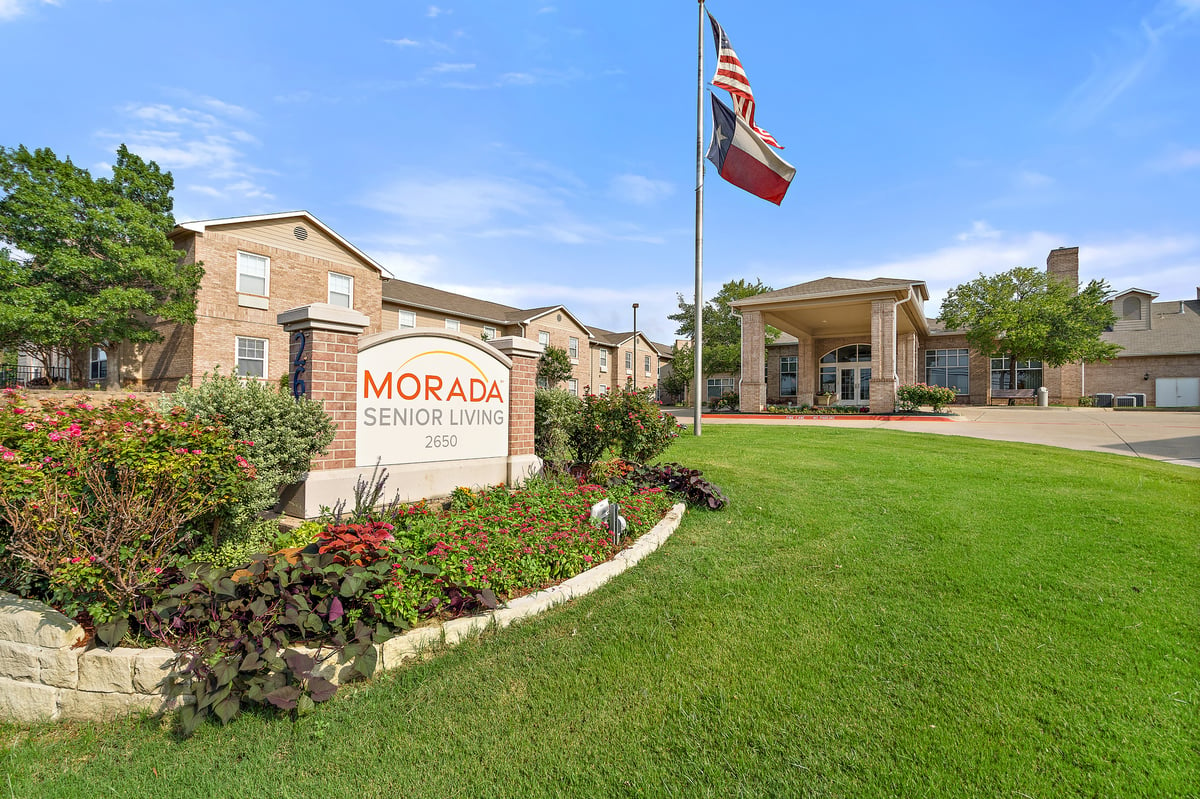
At Morada Pantego in Pantego, TX, Independent Living emphasizes convenience, personal choice, and opportunities to connect with neighbors. Residents can explore ways to incorporate movement into their routines while enjoying a simpler daily lifestyle.
Creating a Personal Wellness Routine That Works for You
Staying fit in a senior community doesn't require an intense workout schedule. The most effective routine is one you enjoy and can maintain consistently.
Start With Your Current Fitness Level
Consider which exercises you already enjoy and how comfortable you feel performing them. If you're beginning a new routine or managing physical limitations, speak with your healthcare provider about appropriate options.
Build Variety Into Your Week
Mix different types of movement to keep your routine interesting. For example, alternate walking with stretching, balance exercises, and light strength training.
Consistency matters more than intensity. Even shorter sessions can help you establish healthy habits over time.
Wellness Activities Senior Living Communities Encourage
Not every opportunity for movement involves a traditional workout. Many wellness activities in senior living combine recreation, personal interests, and social interaction.
Popular examples include:
- Gardening: Planting, watering, and tending flowers provide opportunities for gentle movement.
- Dancing: Social dancing combines movement, music, and time with friends.
- Outdoor outings: Nature walks and visits to local parks encourage residents to spend time outside.
- Recreational games: Bowling, golf, and other games offer enjoyable ways to remain engaged.
These options can be especially appealing to residents who prefer informal exercise.
In Pantego, residents can also explore nearby Arlington-area parks and recreational destinations for additional opportunities to enjoy the outdoors.
Finding Support for Maintaining Health in a Senior Living Community
Maintaining health in a senior living community can feel more manageable when encouragement comes from people around you.
Neighbors with similar interests can become walking partners or exercise companions. Having someone to meet for a morning stroll may make it easier to stay consistent.
Community events also create opportunities to discover new interests and connect with others. For residents who previously exercised alone, this social element can make movement something to look forward to.
At Morada Pantego, the focus on Active Independent Living allows residents to maintain their preferred routines while enjoying opportunities for community connection.
Adapting Your Activity Level as Your Needs Change
Fitness routines should change as your abilities, interests, and circumstances evolve.
If you're recovering from an illness or experiencing changes in mobility, gentler exercises may be more appropriate. Walking shorter distances, stretching while seated, or reducing workout intensity can help you remain engaged without overexertion.
As your strength and confidence improve, you may gradually increase your activity level with guidance from your healthcare provider.
Enjoy an Active Independent Living Lifestyle in Pantego, TX
Staying physically active in senior living is about making movement part of everyday life. From walking with neighbors to exploring recreational interests, small choices can help you maintain an enjoyable routine.
Morada Pantego offers an Independent Living lifestyle centered on personal freedom, convenience, and community connection. Explore the community's living options and lifestyle to learn more about making the move.
Schedule a tour today to see our senior living community.